
Hotel Owner Conference 2026 series
What Lloyds told hotel owners: busy hotels, thin profits
The opening session of the day was a bank’s view of 2027: growth holding up, consumers nervous, rates going up and lenders looking hard at interest cover. Here is what was said, and what an independent hotel should do about it.
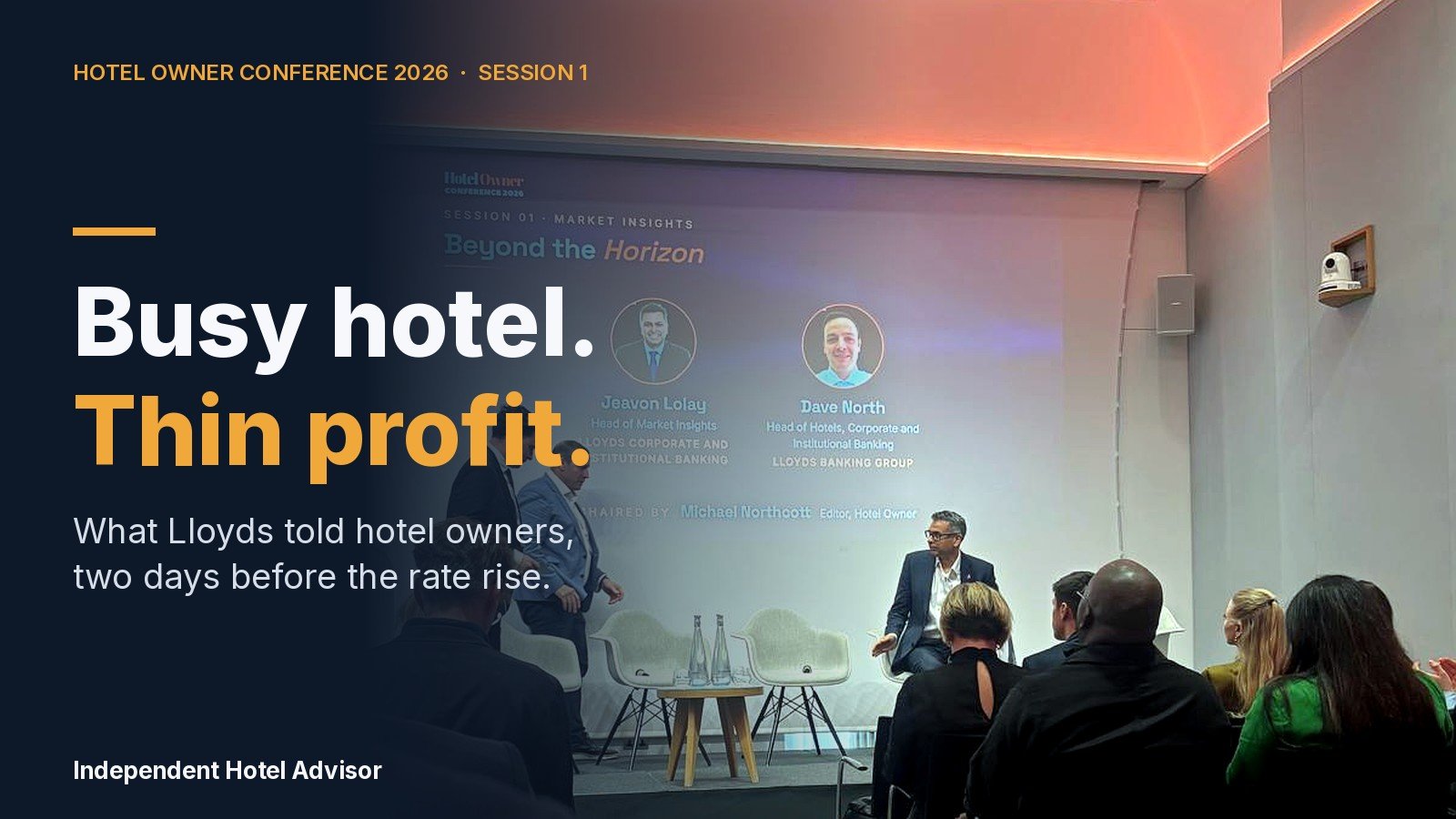
The session
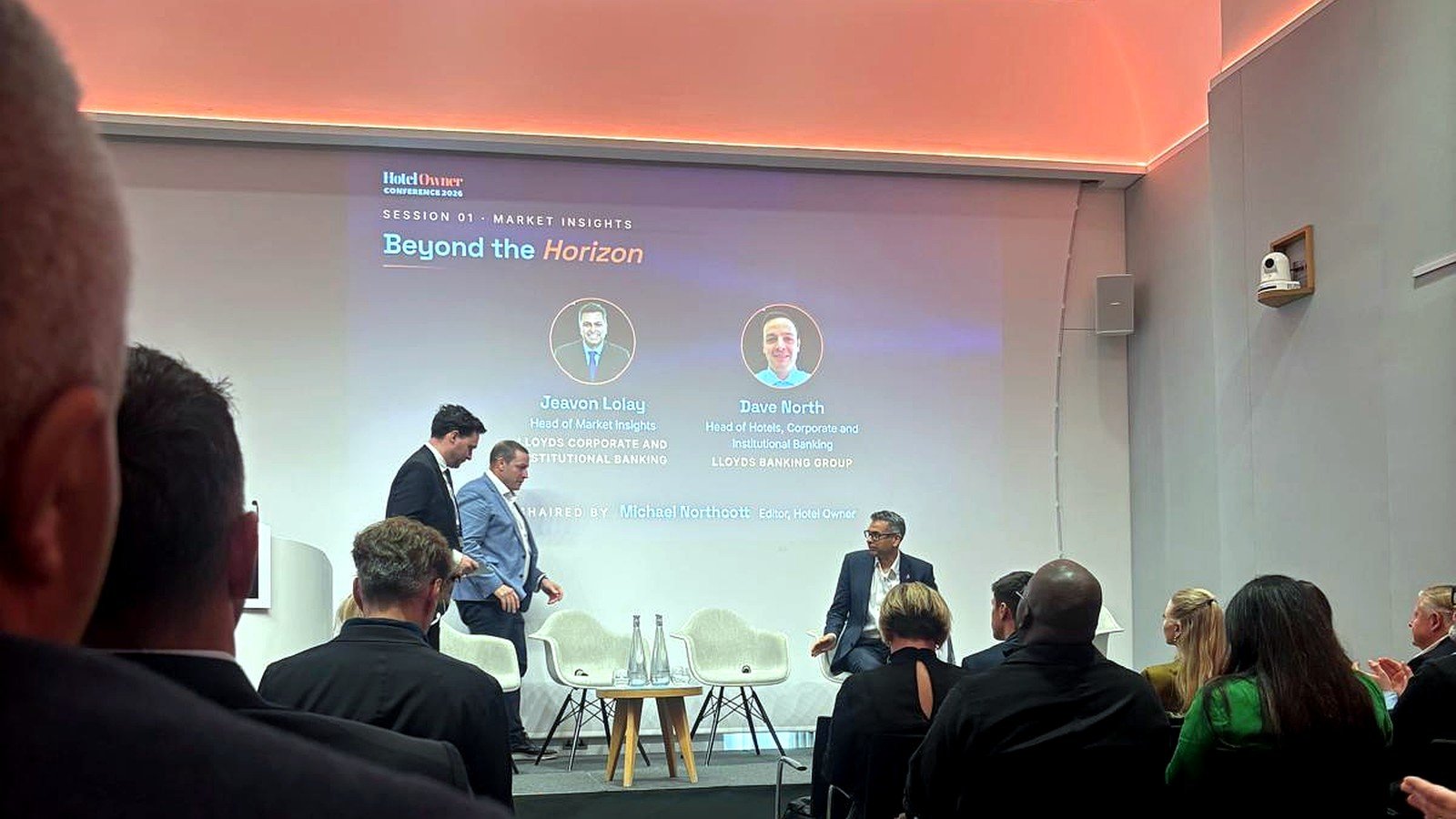
The Hotel Owner Conference opened with “Beyond the Horizon”, a market insights session from Lloyds Banking Group, hosted by Michael Northcott. Jeavon Lolay, Head of Market Insights at Lloyds Corporate & Institutional Banking, set out the economic outlook. Dave North, Head of Hotels, Corporate & Institutional Banking, then took questions on what it means for hotel lending.
Two days later the Bank of England raised rates to 4%, as the session had expected. This is the first part of that session; part two looks at what it means for 2027 pricing.
The economy: stronger than it feels
Growth is holding up. The pressure is on costs and on consumer confidence.
Jeavon’s headline was that the UK economy is more resilient than most people think. Growth in the first half of 2026 ran at roughly twice its normal quarterly pace, business surveys still point to expansion, and IT, telecoms and professional services are growing strongly — useful context for anyone selling to corporate guests.
The weak spot is the consumer. Confidence fell sharply in October, and household spending is expected to run below trend next year as prices rise faster than pay. People are still prioritising travel and experiences, but they are thinking harder about what they spend.
The labour market has also turned. In 2022 there was roughly one vacancy for every unemployed person; now there are about two and a half people for every vacancy, and wage growth has slowed to around 3%. Recruitment is easier than it was. That does not make good people any easier to keep.
Energy is the number that matters most
Asked which assumption would most change the outlook, the answer was energy.
Energy prices feed straight into inflation and into every hotel’s cost base. Jeavon pointed out that the cost of turning crude oil into diesel has widened far beyond its usual level, so fuel and delivered goods stay expensive even when headline oil prices move. His view was that UK inflation could reach around 4–4.5% in the first quarter of 2027.
For a hotel, that means building higher inflation into budgets, supplier contracts and any rates you are quoting now for next year — the subject of part two of this session.
Rates: higher for longer
Plan for borrowing costs that stay up, not a quick return to cheap money.
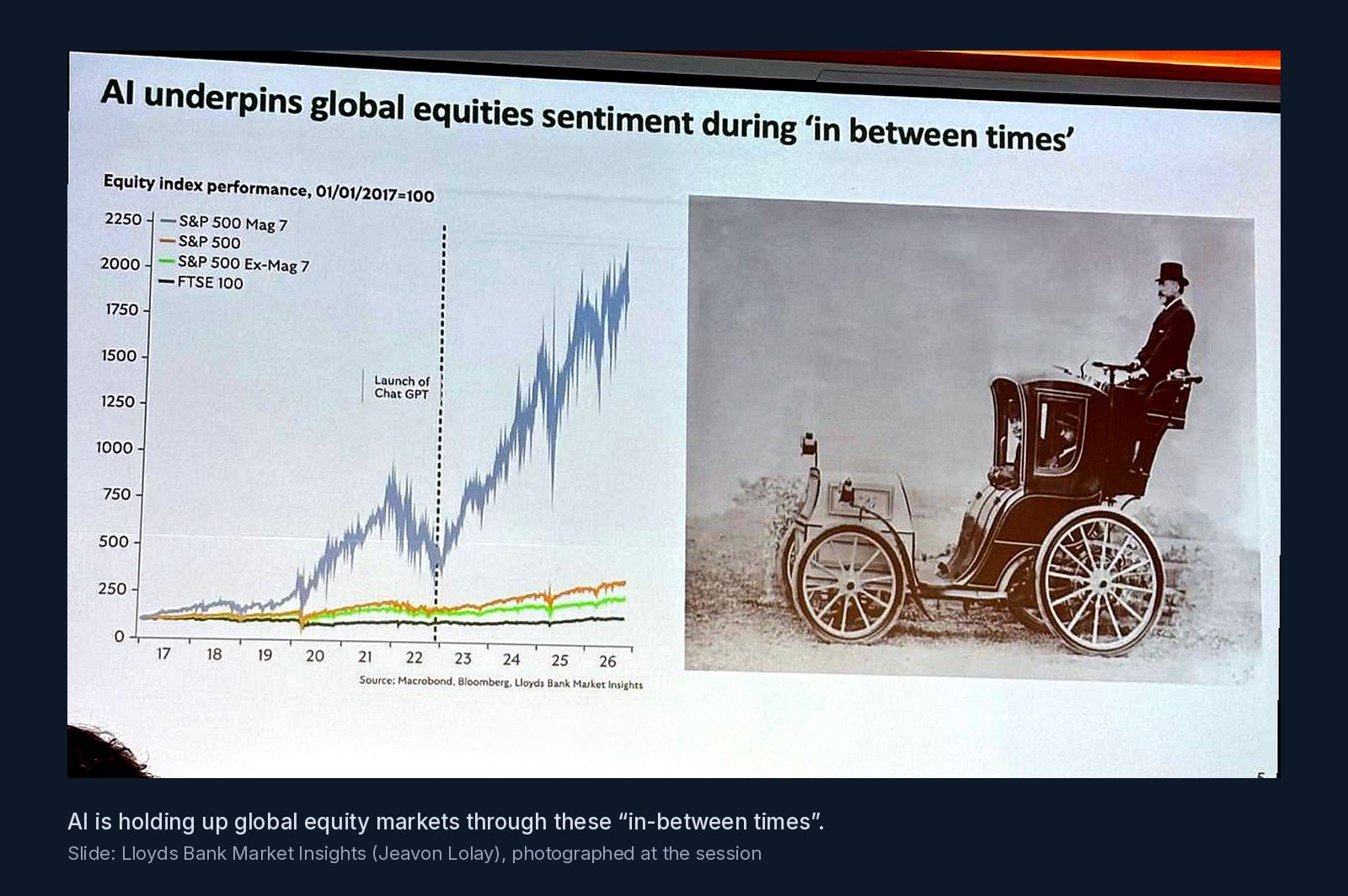
The session expected the Bank of England to raise rates, and it did. The wider message was that interest rates are likely to stay higher for longer, and that market rates — which price in every worry about energy, conflict and AI — can run well ahead of where the Bank actually sets policy.
His advice for anyone refinancing was to look past the headline market rate and think about where policy rates are likely to settle, and not to carry more debt than the business can comfortably service.
What the bank looks at now
Plenty of appetite to lend. Much less tolerance for thin interest cover.
Dave North described an unusually liquid hotel lending market, with lots of lenders competing and margins tighter than they were coming out of COVID. The strain is on more highly leveraged hotels, where there is little cash left after paying interest to keep investing in the building.
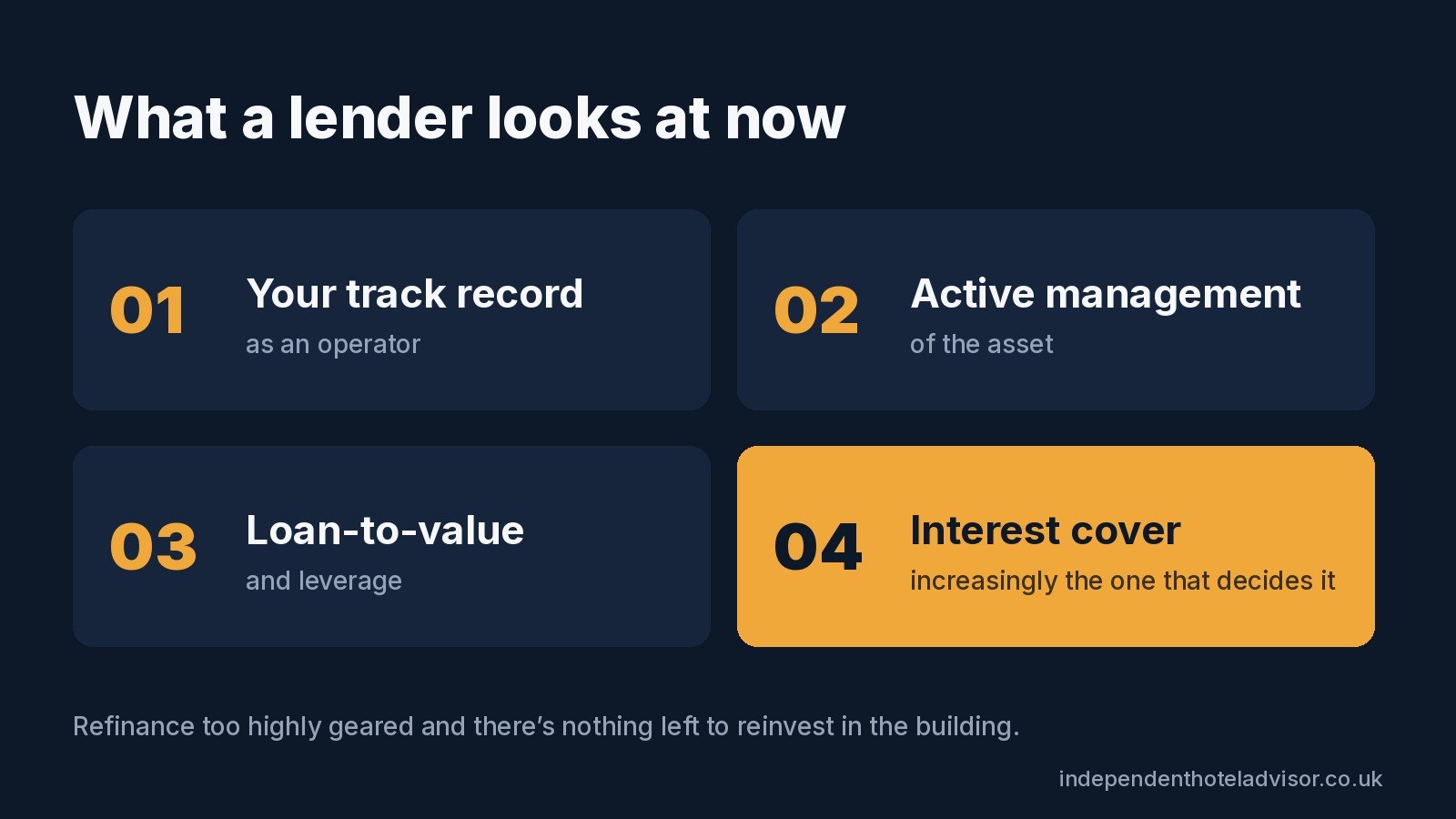
When a lender assesses a proposal, he said, track record comes first: can the operator show they run the asset well and have a plan to improve it? Then three numbers — loan-to-value, leverage, and interest cover. Interest cover is the one under pressure now.
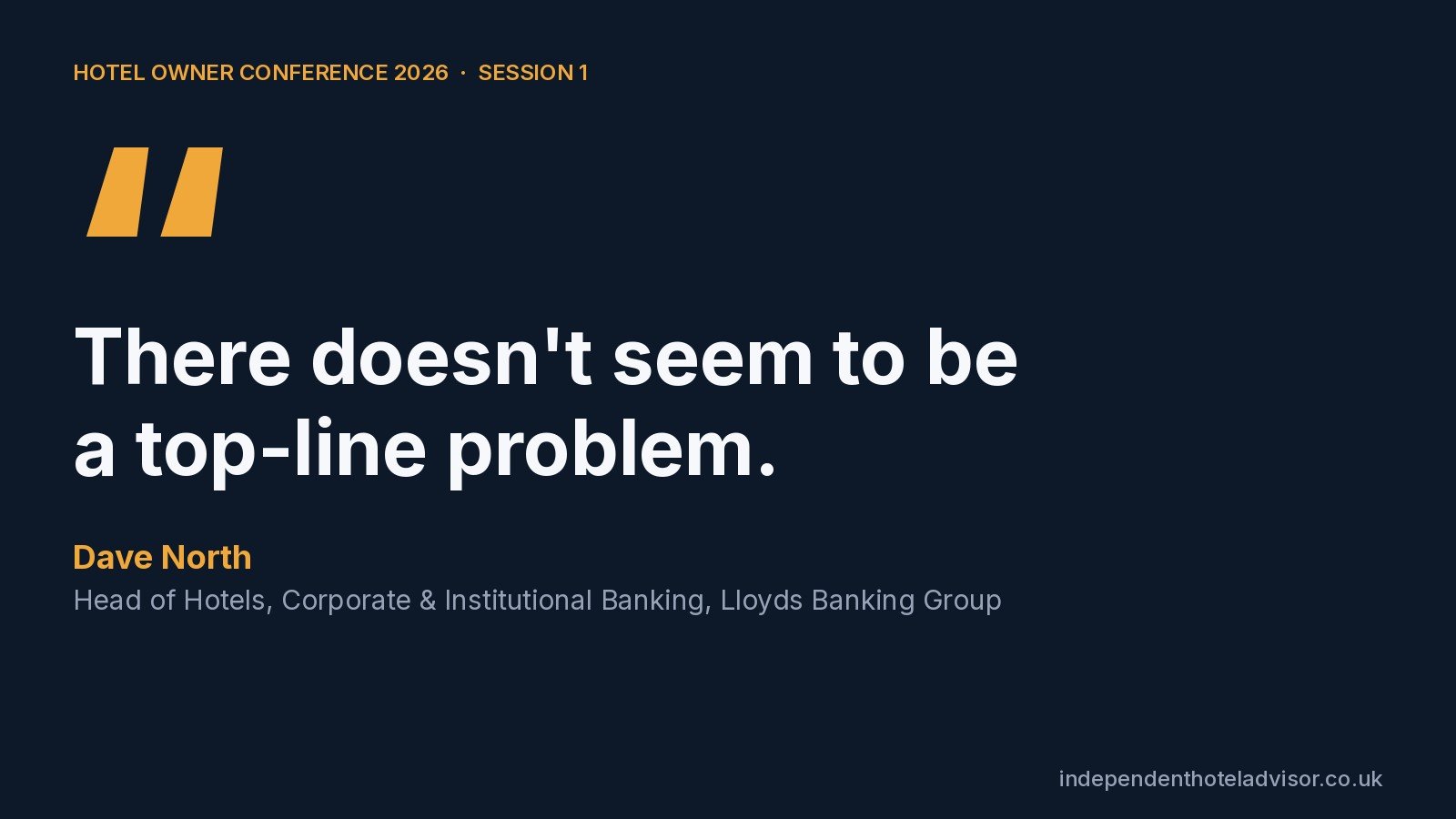
There is lending appetite outside London and Edinburgh, but the queue of lenders is shorter in secondary towns. And echoing what he hears from clients, there doesn’t seem to be a top-line problem — plenty of hotels had a record autumn. The squeeze is everything underneath it: energy, interest, wages, taxes and business rates.
What lenders will back
Rooms are easy to fund. Food and beverage needs a stronger case.
Spending on rooms is the easiest thing for a lender to model. Finding extra rooms inside an existing building was singled out as particularly attractive: valuers often put the value of those additional keys at two to three times what they cost to create. Food and beverage is harder, because the gap between what a valuer believes and what an owner expects is often wide.
Upgrades that only defend your position are one thing; work that creates new capacity or moves you to a higher price point is easier to support. Closing the hotel completely to do the work makes any proposal harder, because the interest still has to be paid while nothing is coming in.
On sustainability, Lloyds offers discounted green loans for work that substantially improves a building’s energy rating, such as converting older heritage buildings. An energy-efficient hotel has a stronger bottom line, and should be worth more for it.
What an independent hotel should do now
- Know your interest cover before your bank asks. Work out how many times your profit covers your interest, and what happens to it if rates rise another percentage point.
- Start any refinancing early. If your facility runs out in the next 18 months, talk to your lender now, while you have time to choose rather than accept.
- Put inflation into everything you quote for 2027. Budgets, supplier contracts, group and corporate rates. See Pricing for 2027.
- Look for rooms you already own. Under-used space that can become bedrooms is the investment lenders like most. Phase the work if you can, so the hotel keeps trading.
- Ask about green finance before any refurbishment that improves energy performance.
- Watch your booking pace closely. Consumers are more cautious; corporate demand from technology and professional services is holding up. Adjust your mix to match.
The point
Demand is holding. Money is available. But the hotels that will find 2027 comfortable are the ones whose numbers can stand a bank’s scrutiny: enough cash after interest to keep investing, and a clear plan to improve the asset.
If you want a second pair of eyes on your numbers before you speak to a lender, a hotel review takes about a week end to end, with one or two days on site. I take no commission on anything I recommend. Talk to me about your hotel.
Hotel Owner Conference 2027
Thinking about Hotel Owner Conference 2027?
Early tickets are open at this year’s price until 2 December, with the code REBOOK27.
Get a Free Consultation
Let’s talk about your hotel’s performance
Book a consultation with Andreas – Supporting independent hotels, guesthouses and boutique properties across the UK & Ireland